Game design · UX · Economy design
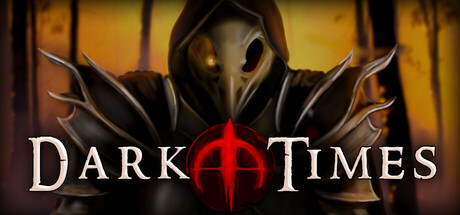
DARK TIMES
Turning battles into a journey.
Connecting tactical combat, narrative, progression and economy through system-level design and clearer player flows.
- Client
- Gromov Studio
- Engagement
- Client project
- Team
- 3 specialists
- Engine
- Unity
- Work period
- July — September 2024
- Project status
- Released · 9 February 2025
- Platform
- Steam
- Genre
- Tactical RPG / Roguelike / Dark fantasy
The project.
DARK TIMES combines turn-based battles, character progression and narrative in a short-session format. Flat Reality’s engagement focused on making those layers work together: turning a mechanically driven series of encounters into a more cohesive emotional journey.
The challenge
Combat, progression and the in-game economy were separated by friction in the player flow. The design needed clearer tactical decisions, systemic narrative continuity and more useful entry points into the shop and progression systems.
Designed around
the challenge.
Narrative between encounters
Campfire dialogue and character-driven interactions introduce narrative beats between battles. Emotional progression follows the pacing of the gameplay rather than sitting outside it.
- Campfire dialogue scenes
- Character interactions between missions
- Narrative continuity across the gameplay loop
Readable tactical decisions
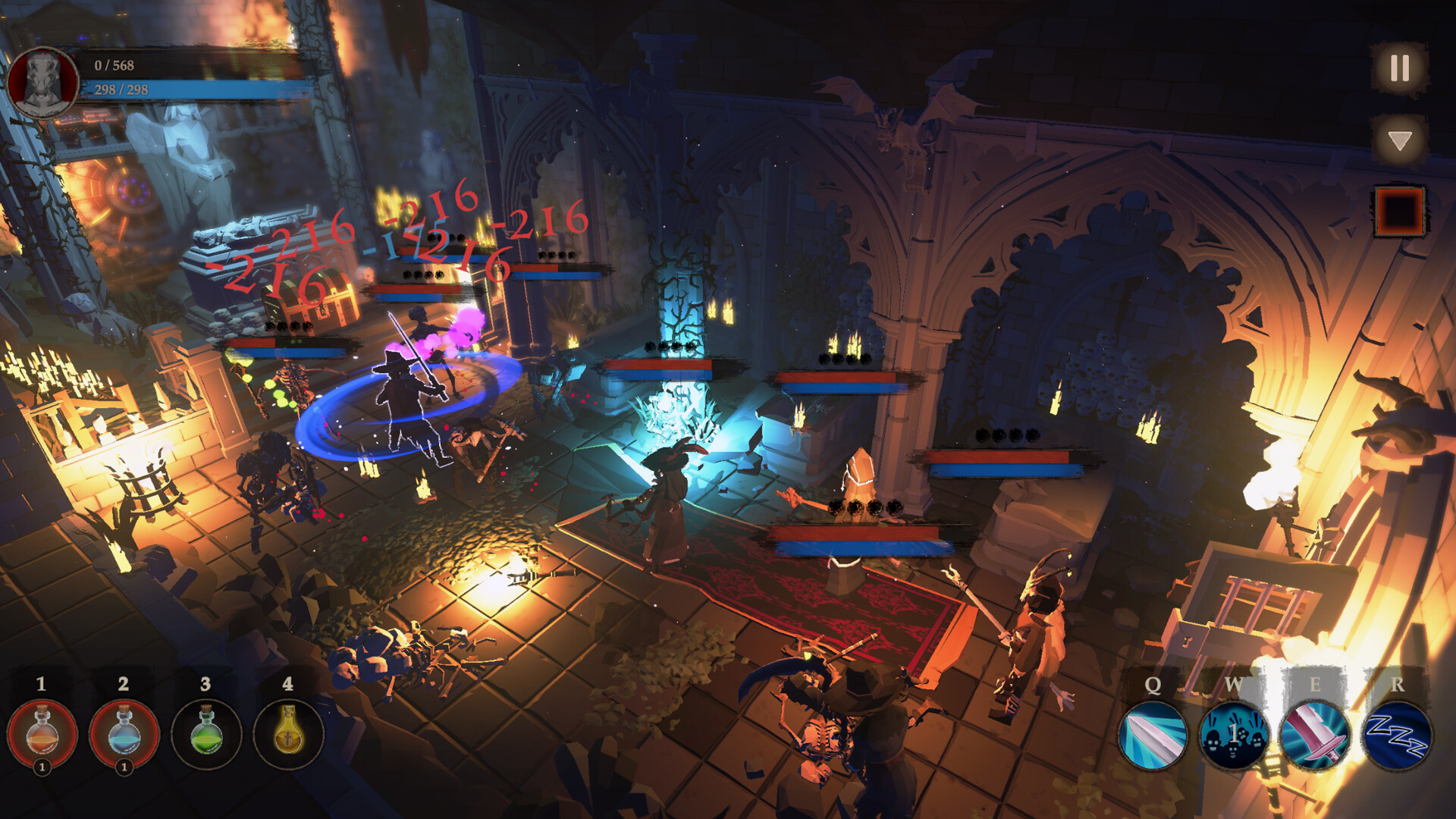
The turn structure was formalized around character, target and action. A Safe Spot mechanic lets players temporarily remove characters from combat to recover and reset status.
- Clear turn-by-turn decision flow
- Planning and tactical flexibility
- Recovery as a strategic decision
Economy within the player journey
Shop and skill systems were separated more clearly. High-value items, contextual recommendations and progression-based unlocks make the economy easier to discover at relevant moments.
- Post-battle and failure-state entry points
- Clear visual hierarchy
- Contextual offers and progression-based unlocks
What we delivered.
Flat Reality’s scope within this project.
- Full game design documentation (GDD)
- Gameplay system structure
- UX and interface design strategy
- Economy and monetization design
- Narrative integration
- Production-level design support
From brief
to delivery.
- 01Existing-system and player-behavior analysis
- 02Friction-point identification
- 03System design and GDD
- 04UX flow restructuring
- 05Client validation
- 06Production integration
Quality throughout
Validation focused on coherence between gameplay layers, usability of core interactions, progression clarity and alignment between UX and the economy.
The outcome.
The game released on Steam. The source case study reports that the project reached financial breakeven and enabled the client’s next production cycle. These are project-reported outcomes, not independently audited results.
- Purchasers who launched the game
- ~66%
- Reported refund rate
- ~9–10%
- Reported financial milestone
- Breakeven
Historical, client-reported figures from the source case study. Review counts and store ratings change over time; visit Steam for current information.
See the project.
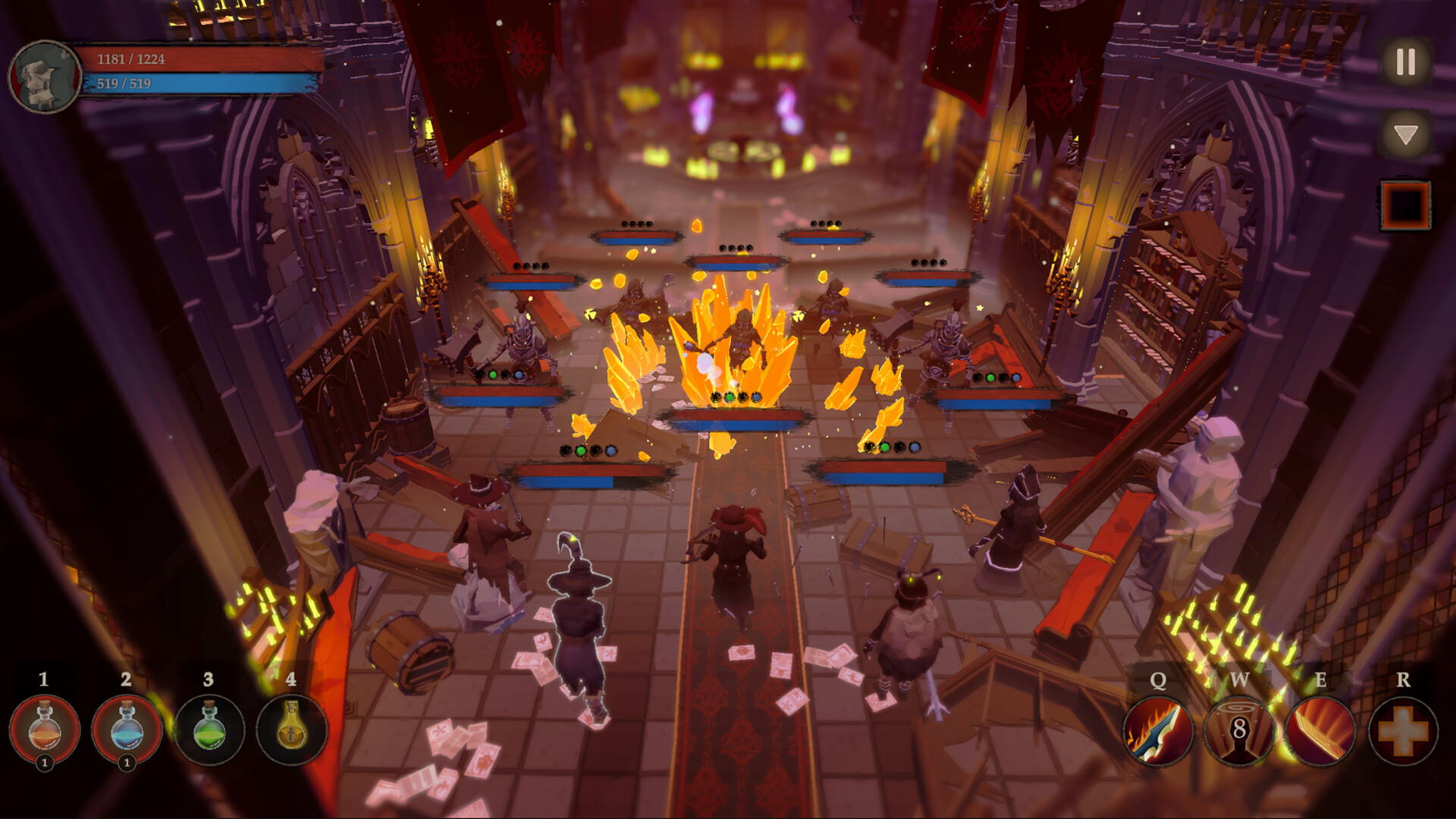
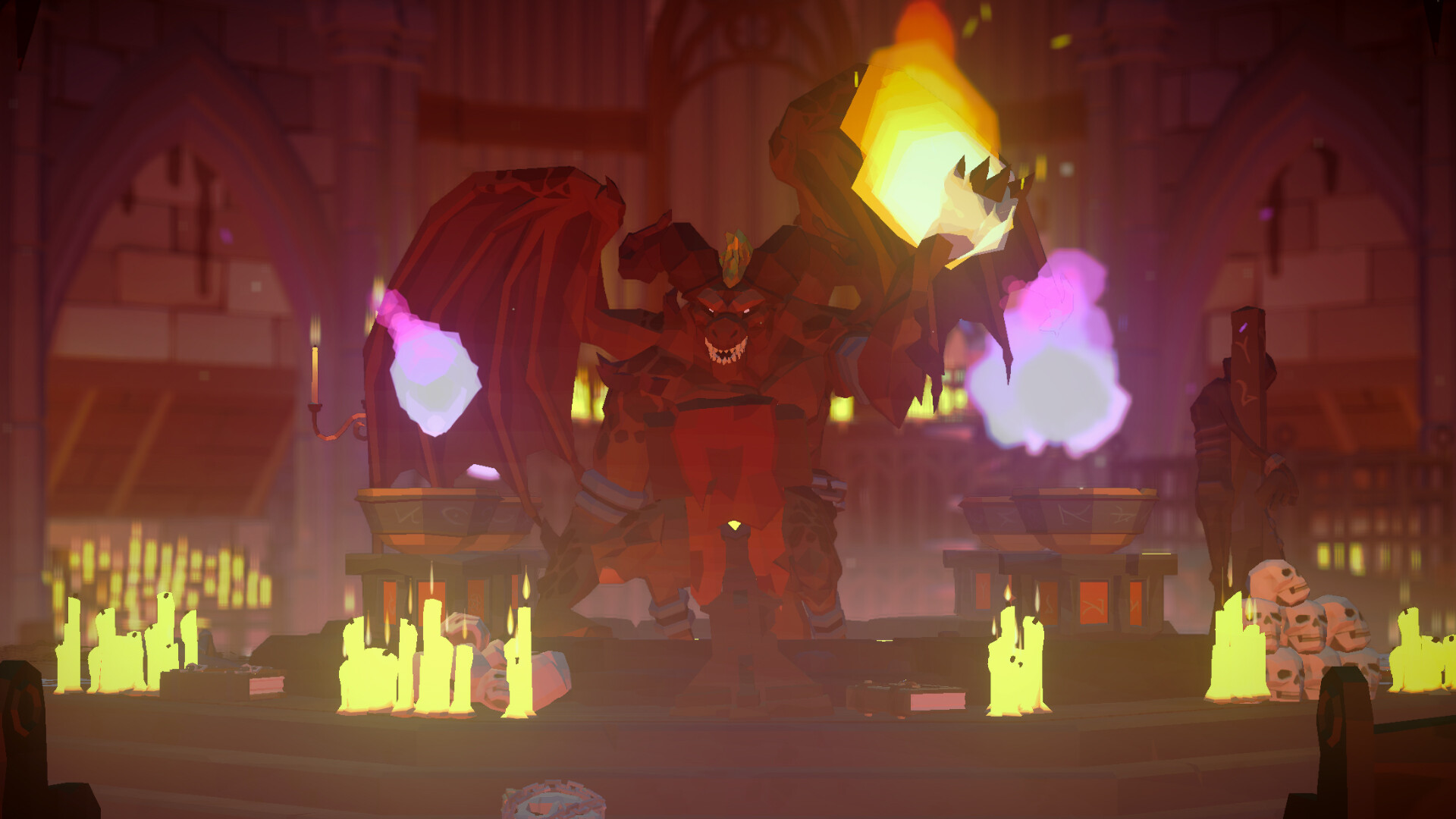
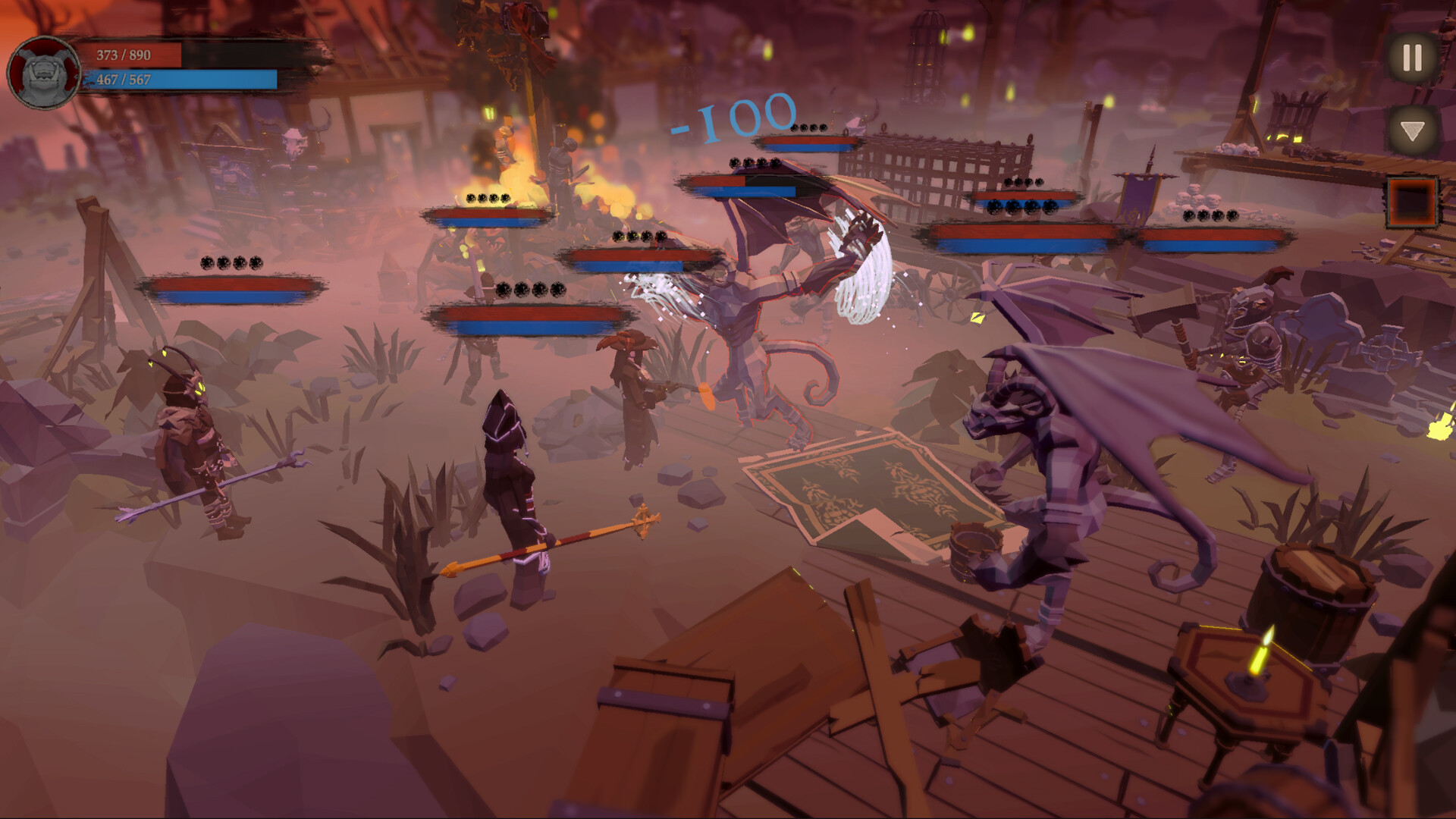
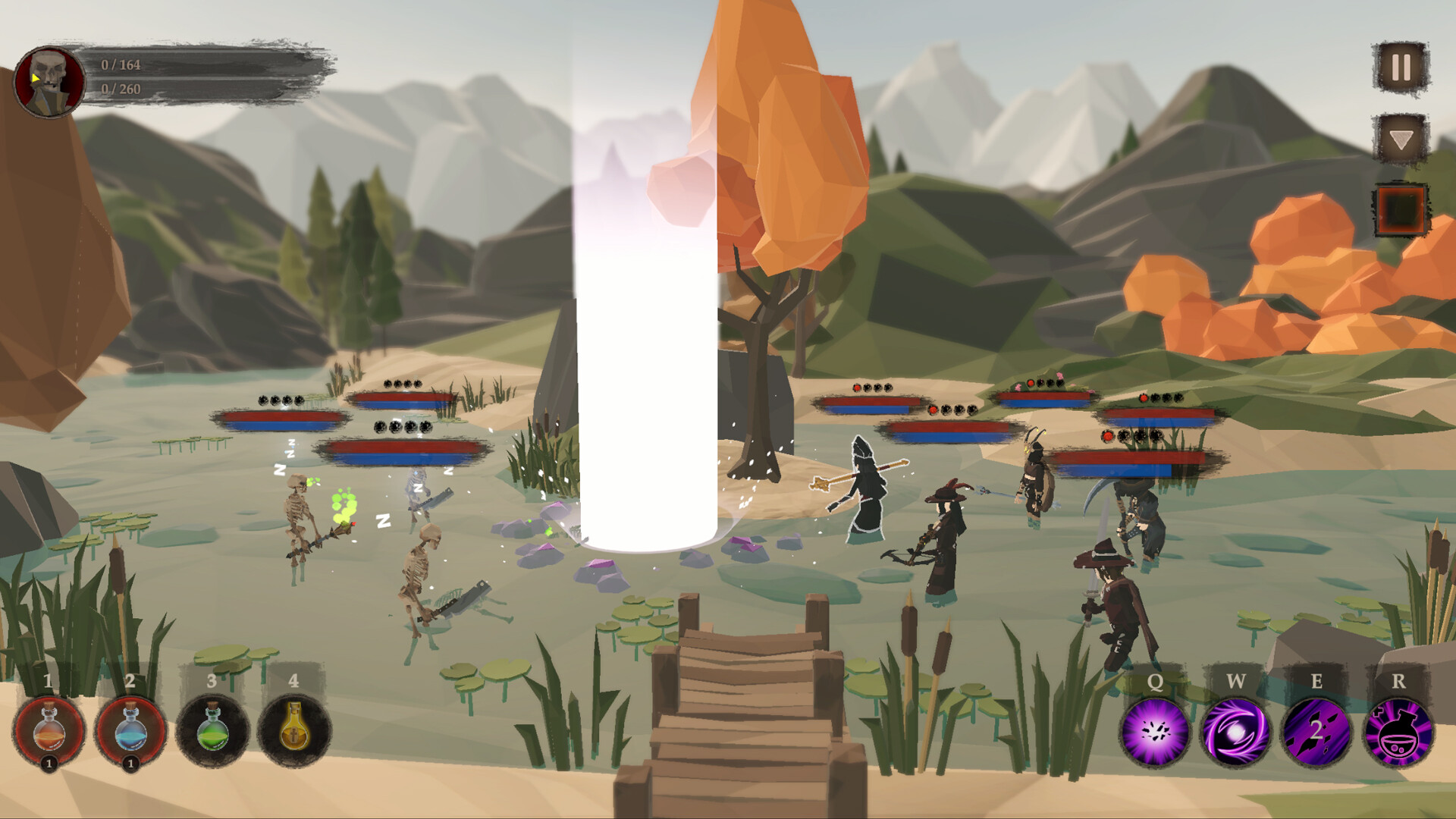
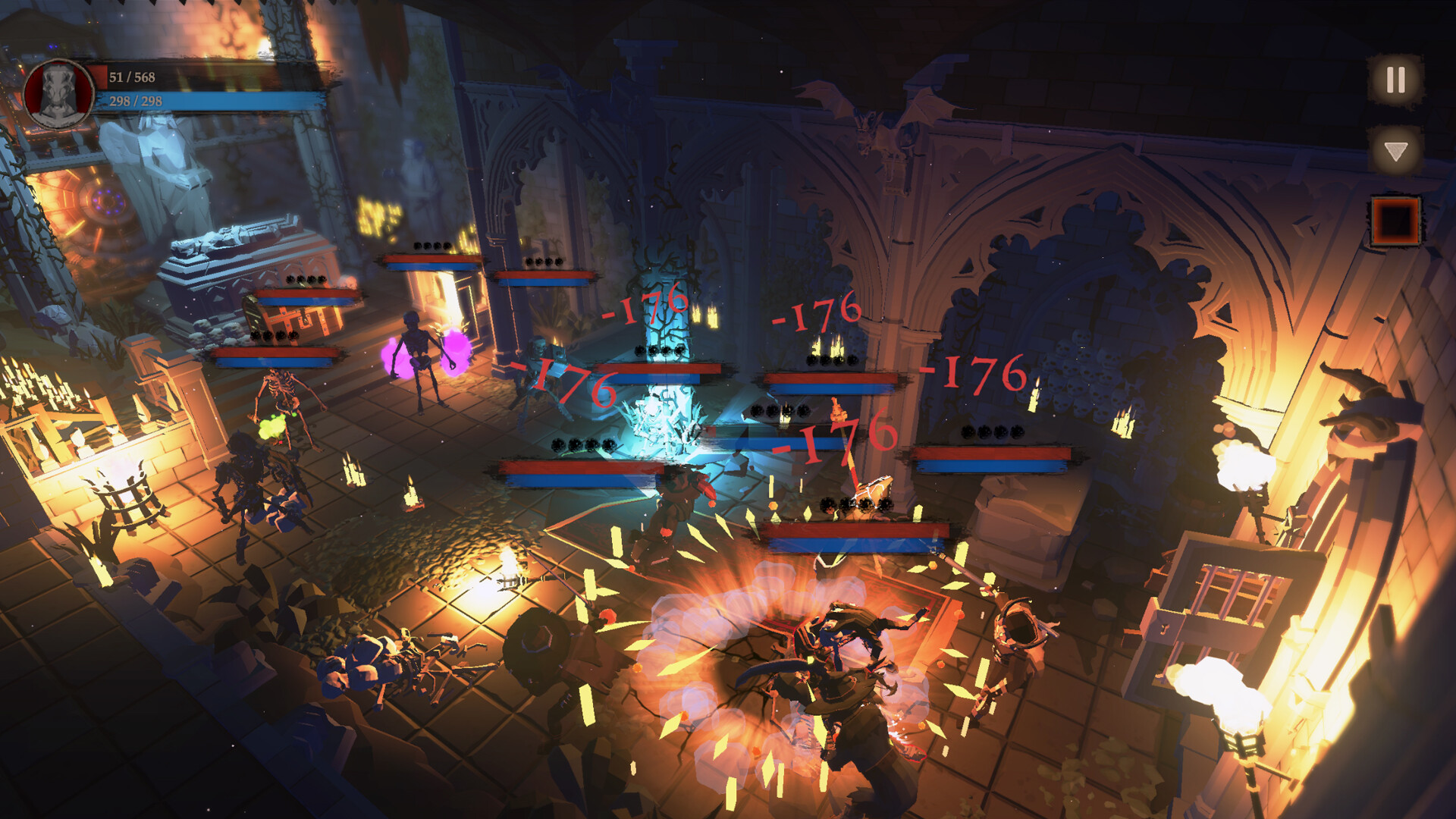
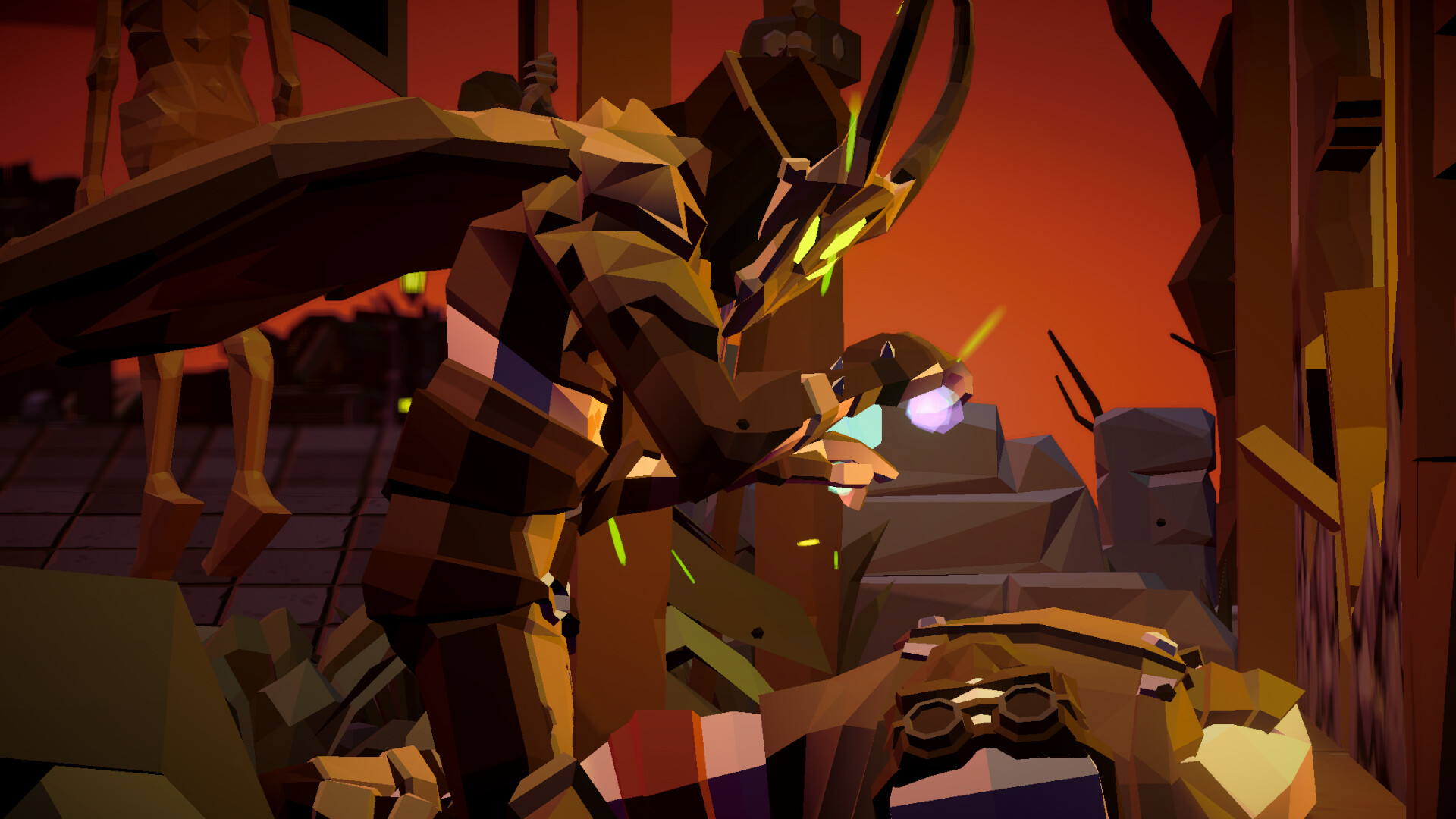
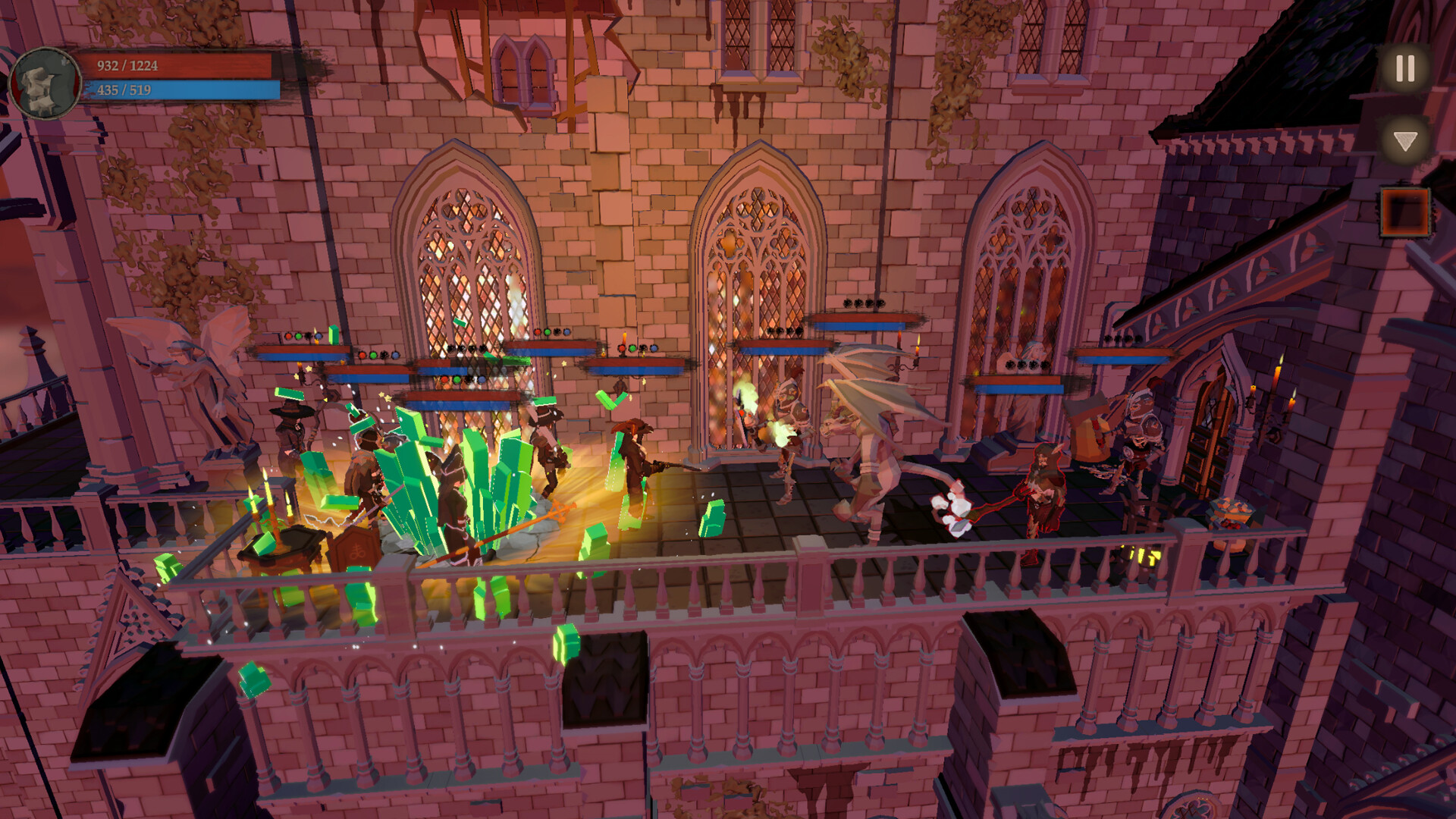
Official project media. Screenshots and trailers show the complete game; the work described above defines our contribution.
 Dark Times - Gameplay TrailerWatch official trailer

 Dark Times - Story TrailerWatch official trailer